Building Resilience in
California’s Sierra-Cascade
We are the Sierra Nevada Conservancy (SNC), a state agency tasked to improve the environmental, economic, and social well-being of California’s Sierra-Cascade region since 2004.
News Spotlight

The Year 2025 in Review – a Letter From our Executive Officer
A letter from Sierra's Nevada Conservancy's Executive Officer, reviewing...
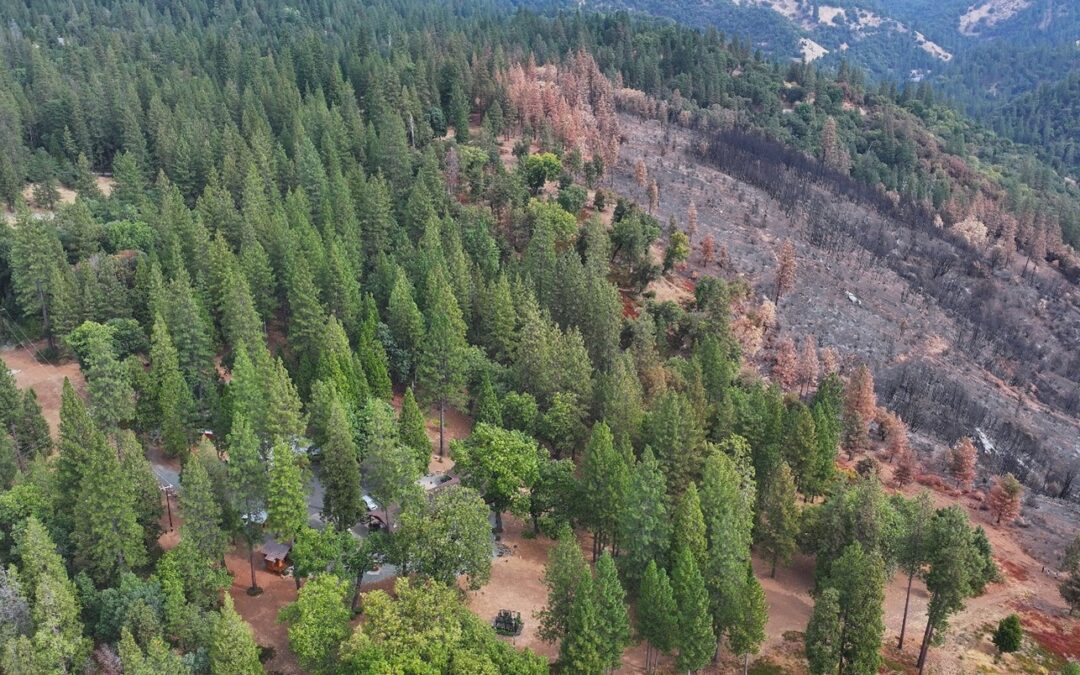
The SNC Board approves wildfire and forest resilience grants to help protect communities
State agency awards three early action Prop. 4 wildfire and...
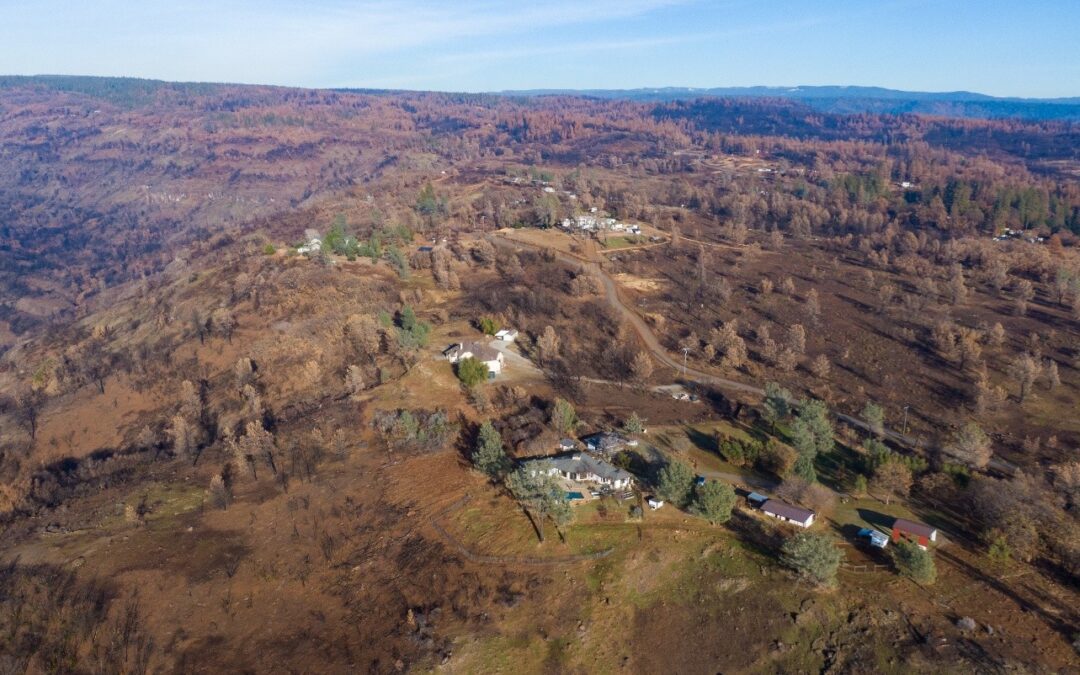
The SNC to host December Board meeting in downtown Sacramento
Our State agency may award and expand early Prop. 4 wildfire...
Announcements
- January 27, 2026Job Posting: Partners and Communication Support Manager (Supervisor I). The Sierra Nevada Conservancy (SNC or Department) is seeking a highly motivated and collaborative leader to manage the Department’s Policy & Outreach Division. The Supervisor I acts as the program lead over implementation of the Sierra Nevada Conservancy’s capacity building and tribal engagement work. The final filing date is 2/9/2026.
- December 22, 2025Job Posting: Manager of Administrative Services (Supervisor II). The reporting location for the Manager of Administrative Services (Supervisor II) position is at the Sierra Nevada Conservancy (SNC) Headquarters Office located in Auburn, CA. The Manager, working under the direction of SNC’s Deputy Executive Officer, has overall responsibility for managing the Department’s budgets, accounting, contracting, procurement, business services and board functions. The position will require flexible work hours and frequent travel. The final filing date is 2/2/2026.
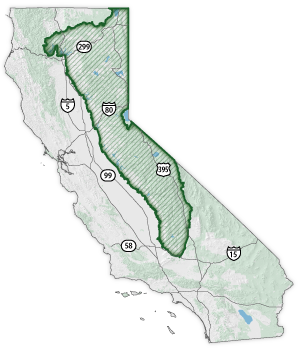
Service Area
We serve California’s Sierra-Cascade region, which includes the mountains and foothills of the Sierra Nevada and parts of the southern Cascade Range and Klamath Mountains. The region covers 27 million acres—one quarter of the state.
Statewide, Regional, and Global Significance
- 25% of California’s land area
- 44% of California’s high fire risk
- 50% of California’s forest carbon
- 60% of California’s animal species
- 75% of Californians drink Sierra-Cascade water
- 50 mil annual recreation visit-days
What We Do
We invest in efforts to restore and protect Sierra-Cascade landscapes, increase their resilience to wildfires and climate change, and improve outdoor access.
